
As vantagens do Home Staging
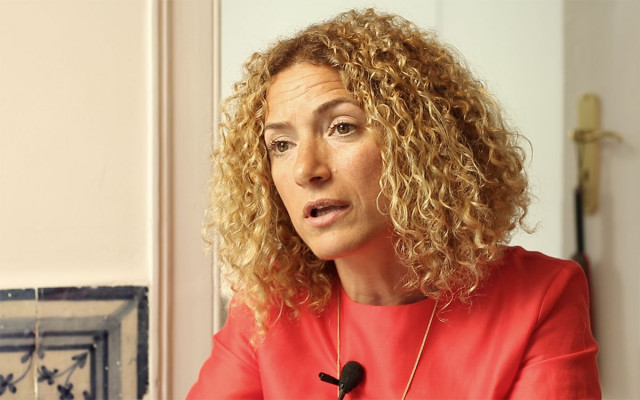
Catarina Diniz, cofundadora da Home Staging Factory
Tens uma casa para vender ou arrendar? Fica a saber que, de forma simples e investindo pouco, podes conseguir colocar o teu imóvel no mercado muito mais rapidamente e com um maior retorno. Em causa está o home staging, que é hoje uma grande tendência internacional no mundo do imobiliário. O idealista/news foi entrevistar uma das maiores especialistas desta “arte” em Portugal, que nos ensina a como tirar o maior partido deste conceito. Catarina Diniz, cofundadora da Home Staging Factory, ressalva que o Alojamento Local é quem mais tem vindo a ganhar, mas não só… Ora vê.
O que é o home staging?
É um conceito que visa a valorização do produto imobiliário. É meter a casa em palco e criar o cenário ideal para a comercialização. O objetivo é melhorar o produto de forma a que seja mais atrativo para o mercado, de forma a que as pessoas que andam à procura de casa consigam visualizar o espaço e se imaginem a viver ali.
Utilizamos várias técnicas que visam meter a casa no seu melhor estado e elevar o seu potencial ao máximo, de forma a que a comercialização possa ser feita o mais rapidamente possível e com o maior valor possível. Costumamos dizer que é o mínimo investimento para o máximo retorno.
“Utilizamos várias técnicas para meter a casa no seu melhor estado e elevar o potencial ao máximo, de forma a que a comercialização seja feita o mais rapidamente possível e pelo maior valor possível”

Como por exemplo?
Há várias técnicas simples, como são o despersonalizar uma casa. Ou seja, se eu entrar numa casa e estiver muito personalizada, de certeza que vou ter alguma dificuldade em imaginar-me a viver lá dentro. Mas se entrar num espaço que esteja decorado de forma mais neutra, sem os bens pessoais, já consigo imaginar-me a viver ali.
Outra técnica é neutralizar a nível de cores e decoração. Se houver uma decoração muito carregada e com cores muito fortes, como encarnados, verdes ou pretos, acabo por não me sentir tão bem, porque é uma coisa também muito pessoal, e acaba por ser mais agressivo. Por outro lado, o espaço acaba por parecer mais pequeno.
A própria disposição da mobília e o seu tamanho é outro fator muito importante. Muitas vezes as pessoas não têm noção das áreas e compram móveis ou sofás muito grandes e ficam sem espaço social. E depois, quando eu entro, na posição de comprador, vou pensar: esta sala é muito pequena e não dá para mim. O que é um obstáculo à venda ou ao arrendamento.
Tem números que sustentam isso?
Os valores variam muito, consoante os mercados e os momentos. Atualmente, estamos com uma procura muito elevada em Lisboa e com falta de produto. Se for uma boa casa, bem trabalhada e ao preço de mercado, vende-se muito rapidamente. Por isso, aqui nem entram as estatísticas.
Por exemplo, no caso do arrendamento de curta duração, sou capaz de aumentar a ocupação da taxa média atual entre os 60% e 65% para 90% ou 95%. E consigo fazer com que uma casa que antes se vendia a 50 ou 60 euros por noite se passe a vender a 90 euros por noite. Há números claros em que um proprietário consegue medir o investimento que fez e o retorno financeiro que tem.
“No caso do arrendamento de curta duração, sou capaz de aumentar a ocupação da taxa média atual entre os 60% e 65% para 90% ou 95%. E consigo fazer com que uma casa que antes se vendia a 50 ou 60 euros por noite se passe a vender a 90 euros por noite”
O que está estudado, a nível internacional, é que o investimento em home staging deve corresponder a entre 1% e 3% do valor de venda do imóvel e, normalmente, obtêm-se uma valorização entre 7% e 15%. Digamos que vale sempre a pena fazer home staging.
Como surgiu a ideia de montar a vossa empresa?
A Home Staging Factory surgiu por uma necessidade que detetámos no mercado imobiliário. Tudo começou em 2010/2011, quando o mercado imobiliário estava estagnado e percebemos que o produto estava muito desvalorizado.
Eu trabalhava em branding e publicidade e, nessa altura, tinha saído da área e resolvido fazer um curso de empreendedorismo e criação de empresas. Uma das partes do curso era fazer um plano de negócios e comecei à procura de ideias. Nesse momento, a minha irmã, que hoje em dia é também sócia da empresa e é designer de interiores, trabalhava numa consultora imobiliária e já tinha detetado esta falha a nível do produto imobiliário e começado a investigar o home staging. Eu desafiei-a a montar todo o negócio com base na importação do conceito para Portugal.
Como foi a receção do mercado?
Foi muito boa e positiva. Os consultores imobiliários aderiram rapidamente, porque sabiam que tinham um produto em mãos com potencial mas que estava desvalorizado e que era por isso difícil de comercializar. Estávamos no auge da crise imobiliária e uma casa demorava em média 18 meses a ser vendida e tinha de se baixar bastante o preço. No entanto, depois de algumas reuniões, verificámos que, apesar disso, o negócio não ia para a frente, porque era difícil para os consultores imobiliários vender mais um serviço aos proprietários. Decidimos então seguir outro rumo e fomos para o mercado diretamente tentar falar com os proprietários.
“A Home Staging Factory surgiu por uma necessidade que detetámos no mercado imobiliário em Portugal. Tudo começou em 2010/2011, quando o mercado imobiliário estava estagnado e percebemos que o produto estava muito desvalorizado”
E funcionou?
Aí a recetividade acabou por ser melhor. Havia algum receio, porque se uma pessoa queria vender ou arrendar a casa, queria começar a ter logo um rendimento do seu bem imobiliário. E o que apresentávamos, ao fim e ao cabo, era a ideia de investir um pouco antes de rentabilizar o espaço.
Só quem tinha realmente cabeça de investidor é que começou a perceber. Começámos a trabalhar com alguns clientes que já estavam a operar no arrendamento de curta duração e que começaram, pouco a pouco, a investir nas suas casas, numa melhoria do espaço e no aumento do seu potencial. Com pequenas alterações mostrámos que conseguíamos que os proprietários conseguissem um retorno financeiro muito positivo. E acabámos por conseguir que o negócio fosse para a frente e fosse bem sucedido.
Que tipo de clientes têm?
Basicamente o nosso perfil de clientes são pequenos investidores e grandes clientes, como empreendimentos turísticos que nos contratam para fazermos andares modelos antes de meter à venda os apartamentos. Também temos clientes estrangeiros que estão a comprar em Portugal e pretendem os serviços de uma empresa que valorize o seu imóvel, que saiba perfeitamente como mobilar, equipar e decorar uma casa para investimento. E que lhes consiga dar resposta com confiança e qualidade sem estar aqui no país.
Temos ainda alguns particulares, que fazem um misto entre viver em Portugal uma parte do ano e o resto no estrangeiro, quando tentam rentabilizar as suas casas. O segmento dos estudantes é um dos que também tem vindo a crescer. E alguns clientes que preparam as casas para arrendamento de média e longa duração. Ou seja, que pretendem uma decoração específica para atrair quadros de empresas ou pessoas que vêm trabalhar para Portugal por um período.
“Tudo o que sejam zonas onde haja produto que possa ser potenciado para arrendamento temporário tem bastante procura. Mas destaca-se largamente a área de Lisboa”
E os consultores imobiliários?
Os consultores imobiliários desde sempre valorizaram o conceito. A grande dificuldade era vender mais serviços aos proprietários durante a crise. Mas penso que, atualmente, já têm um tipo de clientes que valoriza esse serviço, tais como os estrangeiros, e por isso agora têm muito interesse em ter parceiros, como advogados e empresas como nós, entre outras, que lhes prestem este tipo de serviços dentro de um pack.
Quais são as zonas do país onde notam maior procura?
Uma das áreas fundamentais é Lisboa. Temos muita procura no Porto, mas acabamos por não fazer muito devido a questões logísticas. E depois temos também muita procura em área de praias, como no Algarve, na zona da Ericeira ou na Costa do Estoril. Tudo o que sejam zonas onde haja produto que possa ser potenciado para arrendamento temporário tem bastante procura. Mas destaca-se largamente a área de Lisboa.
E dentro da capital?
A área histórica, entre Santa Apolónia até ao Marquês de Pombal, estendendo-se até Belém, é aquela que é mais procurada. As zonas da Baixa e do Chiado têm muita procura e começa a estender-se para as zonas de Alfama e Graça. Depois começa a haver também várias intervenções na área da Mouraria, que é uma área que estava muito velha e desgastada.
Tal como na hora de vender a casa, as pessoas em geral também acham que podem fazer por si home staging, sem recorrer a profissionais?
Tal como com as fotografias, sempre houve gente que acha que é capaz de fazer tudo sozinha… Quando iniciámos o conceito, praticamente não havia ninguém em Portugal a prestar este tipo de serviço. Hoje em dia já há várias empresas. Mas, felizmente, ainda continua a haver espaço no mercado. Não sentimos muito ainda a concorrência.
“Distanciamo-nos um pouco da área da decoração (…). O home staging tem um fim comercial, orientado para o mercado, enquanto a área da decoração é mais específica para particulares. É mais personalizar um espaço”
O que há também agora são mais arquitetos e decoradores que conseguem apresentar um tipo de serviço cujas características se assemelham mais ao nosso conceito. O mercado estava habituado a que contratar um decorador era um balúrdio e hoje em dia isso é mais corrente. Ainda assim, nós distanciamo-nos um pouco da área da decoração, porque, mais uma vez gostaria de frisar, o conceito do home staging tem um fim comercial, orientado para o mercado, enquanto a área da decoração é mais específica para particulares. É mais personalizar um espaço.
Há dicas de coisas básicas a fazer, e sem gastar muito dinheiro, através das quais se possa ver logo resultados?
Há uma técnica fundamental que tem muito impacto e retorno, e que recomendamos muitas vezes, que é reformular a parte dos têxteis e das cores dentro de casa. É gritante. Com pouco dinheiro conseguimos mudar tudo o que são cortinas, almofadas, tapetes e neutralizar a casa.
Aparecem-nos muitas casas com a decoração a que chamamos a “pim-pam-pum”, com uma mistura de cores berrantes, que conjugam umas com as outras, mas que saltam muito à vista. Basta tirar tudo isso e meter uns bejes ou cinzento clarinho para que a casa fique completamente diferente.
“Há uma técnica fundamental que tem muito impacto e retorno, gastando pouco, que é reformular a parte dos têxteis e das cores dentro de casa”
Outra das técnicas é minimizar o número de objetos que há em casa. Tirar a maior parte da tralha das prateleiras e das bancadas da cozinha, limpar e organizar tudo. Tem um impacto brutal, nomeadamente, para aumentar a sensação do espaço.